

Digital Transfer: The Revolution of Printing on Fabrics and Surfaces
In recent years, the world of fabric printing, clothing, and customized gadgets has undergone a true revolution thanks to Digital Transfer. This innovative technique combines the flexibility of digital printing with the quality and precision typical of professional printing methods. In this article, we’ll explore what Digital Transfer is, how it works, what advantages it offers compared to other printing techniques, and why it represents a winning choice for companies, artisans, and creatives.
What is Digital Transfer
Digital Transfer is a printing technique that allows images, logos, or graphics to be transferred onto various types of materials — mainly fabrics, but also rigid surfaces such as wood, metal, ceramic, or plastic. Unlike traditional methods such as screen printing or hot stamping, Digital Transfer uses inkjet or laser printers equipped with special inks and specially treated transfer paper.
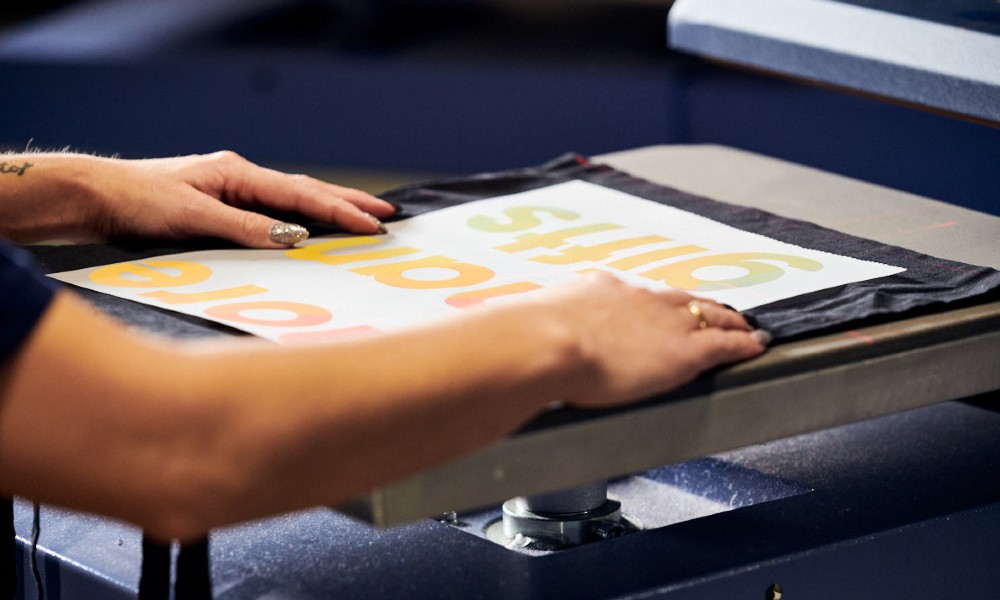
In practice, the design is printed on this special paper and then transferred onto the final material using heat and pressure with a heat press. The result is a sharp image with vibrant colors that is resistant to washing and wear.
How the Digital Transfer Technique Works
The Digital Transfer process may vary slightly depending on the materials and machinery used, but it generally consists of four main steps:
-
Design creation
Everything starts with the graphic file, created using design software (such as Adobe Illustrator or Photoshop). It’s important to correctly set the resolution and colors to ensure the best possible result. -
Printing on transfer paper
The artwork is printed onto digital transfer paper, designed to absorb the inks and release them accurately during the transfer process. Pigment or sublimation inks can be used, depending on the material being decorated. -
Application to the substrate
The printed paper is placed onto the fabric or desired surface, with the printed side facing down. A heat press is used to apply heat (usually between 150°C and 200°C) and pressure for a controlled amount of time. -
Removal and finishing
Once the transfer process is complete, the paper is removed, leaving the image printed on the material. At this point, additional finishing treatments such as fixatives or protective laminations can be applied.
The Advantages of Digital Transfer
Digital Transfer offers a long list of advantages that make it an ideal choice for both small productions and large batches. Here are the main ones:
1. Flexibility and customization
Digital Transfer allows you to print one-off pieces or small runs without additional setup or preparation costs. It’s perfect for customizing t-shirts, hoodies, tote bags, hats, or promotional gadgets.
2. Photographic quality
Thanks to the precision of digital printing, Digital Transfer reproduces images with fine details, gradients, and vivid colors. Complex logos, photographs, and artistic designs can be printed with stunning results.
3. Suitable for many materials
This technique isn’t limited to cotton fabrics. With the right materials, it’s possible to print on polyester, nylon, synthetic leather, ceramic, metal, and wood. It’s therefore an extremely versatile solution for industries ranging from fashion to advertising.
4. Durability and longevity
Modern Digital Transfer technologies ensure prints that resist washing, UV rays, and the wear of time. Colors remain bright and well-defined even after many uses.
5. Eco-friendly and sustainable process
Unlike some traditional techniques, Digital Transfer reduces material waste and the use of chemical solvents. Water-based inks and recyclable transfer papers make this process more eco-friendly.
Digital Transfer vs. Other Printing Techniques
To better understand the strengths of Digital Transfer, it’s helpful to compare it with other popular textile printing methods.
Screen Printing
Screen printing is perfect for large runs but requires the preparation of screens and inks for each color. Digital Transfer, on the other hand, requires no setup and allows instant printing, even for a single copy.
Sublimation
Sublimation offers bright and durable colors but only works on white or light-colored materials with a high polyester content. Digital Transfer is more flexible: it works on any fabric color and various materials.
DTF (Direct To Film)
DTF is an evolution of classic transfer printing that uses special films and adhesive powders. Digital Transfer remains more economical and straightforward, ideal for those seeking a simple and reliable solution.
Where Digital Transfer is Used
Digital Transfer is used in a wide range of industries:
-
Fashion and personalized clothing – T-shirts, hoodies, work uniforms, or sportswear.
-
Advertising and promotion – Corporate gadgets, bags, caps, aprons, and trade show items.
-
Design and crafts – Artistic creations on wood, ceramic, or metal.
-
Interior decor – Prints on furnishing fabrics, cushions, curtains, or personalized accessories.
Thanks to its versatility, Digital Transfer has become an essential tool for anyone working in the world of customization and visual communication.
How to Get the Best Results with Digital Transfer
To make the most of Digital Transfer, it’s important to follow a few best practices:
-
Use high-resolution images (at least 300 dpi) to ensure sharp and defined printing.
-
Choose the right transfer paper for the material type (specific papers exist for light fabrics, dark fabrics, or rigid surfaces).
-
Correctly adjust temperature and pressing time, as each material reacts differently to heat.
-
Perform preliminary tests before large-scale production to verify adhesion and color rendering.
-
Store materials in a dry environment to prevent changes in print quality.
The Future of Digital Transfer
The Digital Transfer market is constantly evolving. New professional printers offer increasingly higher resolutions, faster production speeds, and better compatibility with eco-friendly inks. At the same time, the demand for customized products — from t-shirts to promotional gadgets — continues to grow, driving the spread of this technology.
In the coming years, Digital Transfer will become even more integrated with on-demand printing and personalized e-commerce systems, making it possible to create unique products in record time.
Advantages
- Photographic quality
- Extremely detailed
- Vivid colors
- Full color + white
Materials
- Polyester
- Cotton
- Softshell
- Polyurethane (PU)
- Nylon
- Leather
- Cardboard
- Felt
Items
As long as the printing surface is flat, any item can be printed.
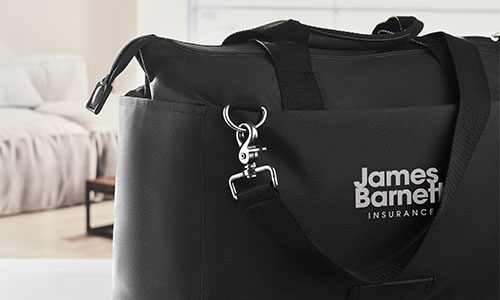
- Bags
- T-shirts
- Caps
- Umbrellas
- Shoulder bags
- And many others
Full Color Printing (CMYK+W)
- Full color print (CMYK+W)
Conclusion
Digital Transfer is now one of the most versatile, creative, and accessible printing techniques on the market. Its ability to combine quality, durability, and customization makes it an indispensable tool for professionals in printing, fashion, and design.
Whether you’re a company looking for promotional solutions, an artisan expanding your product range, or a creative exploring new possibilities, Digital Transfer is the key to turning any idea into a tangible, colorful, and long-lasting product.
Want to learn more or request a personalized quote?
Contact us now: our team will guide you in choosing the best solution for your needs.
Posted in:
Personalization techniques
Related posts
-
Pad Printing: A Precision Printing Technique for Every Product
Pad printing is one of the most versatile and widespread printing techniques in the world of product customization....Read more
-
Screen printing: complete guide to the most versatile technique for customizing products
Screen printing is one of the oldest and most versatile printing techniques in the world, still widely used today for...Read more
-
Digital Printing: The Complete Guide to Personalizing Gadgets and Products
Digital printing is a modern technique that allows images, logos, and text to be reproduced directly onto a product...Read more
-
Screen Printing: The Ideal Solution for Personalizing Your Items
Screen print transfer is a printing technique that allows logos and graphics to be transferred onto fabrics and other...Read more
-
Laser engraving: the technology that transforms gadgets into unique experiences
In the world of customization, laser engraving has become synonymous with precision, elegance, and durability. More...Read more