

Pad Printing: A Precision Printing Technique for Every Product
Pad printing is one of the most versatile and widespread printing techniques in the world of product customization. Thanks to its ability to adapt to complex and curved surfaces, this method allows logos, text, or images to be transferred with precision and sharpness onto a wide range of items, from promotional gadgets to professional work tools, and even small design objects. But how exactly does this technique work, and what are the main advantages that make it so popular? In this article, we will explore pad printing in detail, how it works, its most common applications, and the reasons why it represents an ideal choice for those seeking quality and color accuracy.
What is Pad Printing
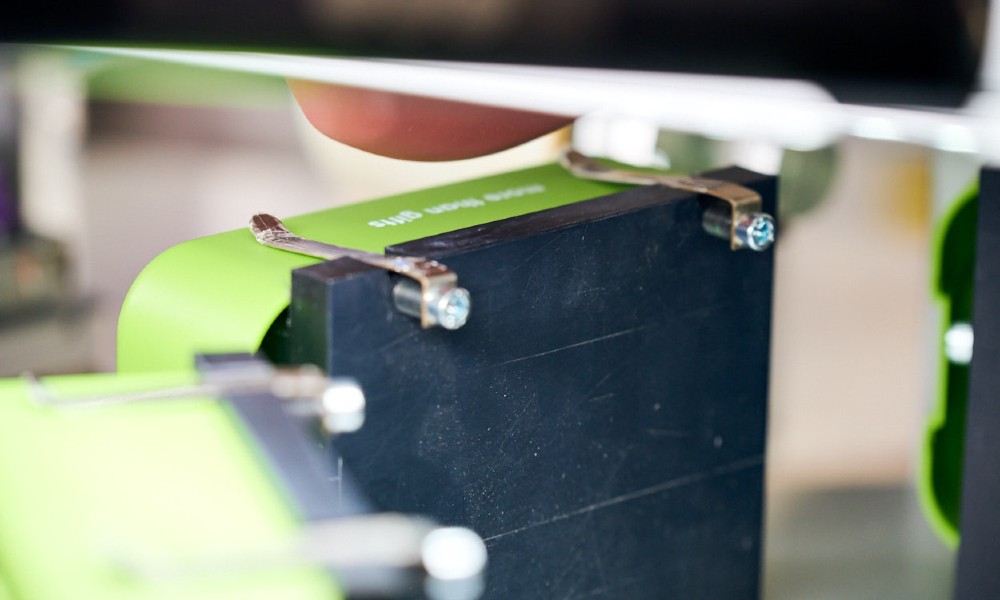
Pad printing is an indirect printing technique that uses a silicone pad to transfer ink from an etched plate onto the object to be customized. This method is particularly appreciated because it allows printing on irregular, curved, concave, or textured surfaces, where other traditional printing techniques, such as screen printing or direct digital printing, would be difficult or impossible to apply.
The basic principle of pad printing is simple yet extremely effective: the desired logo or design is etched onto a metal plate, usually made of photopolymer or steel. The ink is applied to the plate, filling the engravings. Then, a silicone pad – a flexible and highly adaptable material – picks up the ink and transfers it onto the object, imprinting the logo precisely and evenly.
This technique is defined as “indirect” precisely because the ink is not applied directly to the object, but through the pad, which acts as an intermediary. The flexible nature of silicone allows the pad to perfectly adapt to curved surfaces, tight corners, or complex textures, always ensuring a sharp and uniform result.
How Pad Printing Works: Step by Step
To better understand the precision and effectiveness of pad printing, it is useful to analyze the fundamental steps of this technique:
-
Plate engraving
The first step consists of creating the metal or photopolymer plate. The logo, design, or text to be printed is etched onto the plate through chemical or mechanical processes. This engraving defines the contours of the image that will later be transferred. The higher the quality of the plate, the sharper the final print will be. -
Ink application
Once the plate is ready, the ink is applied to the engraved area. The excess is removed, leaving only the ink inside the engravings. -
Transfer with the silicone pad
The silicone pad comes into contact with the plate, picking up the ink from the engravings. Thanks to its elasticity, the pad can adapt to surfaces of any shape, ensuring that every detail of the logo is correctly transferred. -
Printing on the object
The pad is then pressed onto the object to be customized, transferring the ink. This step requires precision to avoid smudges and ensure perfect adhesion. -
Drying and finishing
Finally, the ink is dried or cured, depending on the type used, ensuring a durable and wear-resistant print.
Advantages of Pad Printing
Pad printing offers a series of advantages that make it the preferred choice for many professional applications. Here are the main ones:
-
Adaptable to complex surfaces
The silicone pad perfectly adapts to curved, concave, or irregular surfaces, making it possible to print on objects with complex shapes, from mice to customized pen caps, to medical instruments or industrial components. -
High precision and sharpness
Thanks to the precise plate engraving and the silicone’s ability to reproduce fine details, pad printing ensures extremely sharp prints, even on complex designs or logos with thin lines. -
Color accuracy
This technique allows perfect color matching according to PMS (Pantone Matching System) standards, which is essential for companies that want to maintain brand color consistency. -
Material versatility
Pad printing can be applied to a wide range of materials: plastic, metal, glass, ceramic, wood, and even certain fabrics. This versatility makes it ideal for promotional gadgets, office items, packaging, industrial objects, and much more. -
Print durability
The inks used in pad printing are designed to adhere durably to the object, resisting scratches, washing, and daily use.
Pad Printing vs Screen Printing
Many confuse pad printing with screen printing, another very popular printing technique. Although both allow logos and images to be printed, there are fundamental differences:
-
Number of colors
As in screen printing, in pad printing each color must be printed separately. However, pad printing is better suited for three-dimensional or irregular surfaces, while screen printing is optimal for flat surfaces. -
Detail precision
Pad printing offers greater precision for the finest details, thanks to the flexibility of the silicone pad and the quality of the plate engraving. -
Material adaptability
Pad printing is more versatile in handling different materials and objects with complex shapes, while screen printing works best on flat surfaces and fabrics.
Applications of Pad Printing
The possibilities offered by pad printing are practically endless. Some concrete examples include:
-
Promotional gadgets: pens, keychains, water bottles, power banks, and mugs can be customized with company logos while maintaining bright colors and sharp details.
-
Consumer electronics: remote controls, keyboards, mice, earbuds, and electronic accessories can be printed with logos or functional symbols.
-
Industrial tools: mechanical components, tools, and technical instruments can be branded without compromising material resistance.
-
Medical items: syringes, meters, and medical devices require precise and durable prints, making pad printing ideal.
-
Packaging and design: design objects, containers, and customized packaging can benefit from the technique’s versatility, with impeccable aesthetic results.
Advantages
- All types of materials can be printed
- Pantone colors
- Detailed finishing
Materials
- Plastic
- Polyethylene
- PVC
- Metal
- Glass
- Ceramic
- Wood
Items
- Pens
- Desk clocks
- Business card holders
- USB drives
- Ceramic mugs
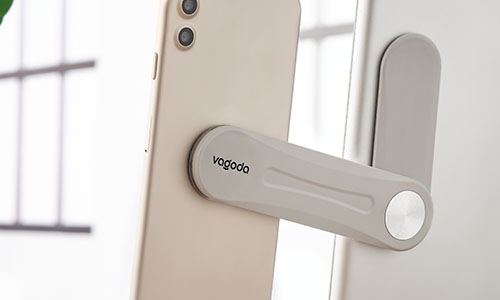
- Memo clips
- Keychains
- Many others
Good to know
- Pantone colors only
- Up to 4 colors
Final Considerations
In summary, pad printing represents an extremely versatile, precise, and durable printing solution, suitable for a wide range of materials and surfaces. Its ability to ensure sharp details, color accuracy, and adaptability to complex shapes makes it the go-to technique for companies, designers, and manufacturers who want quality and professionalism. Whether it’s customizing promotional gadgets, technical tools, or design objects, pad printing delivers high-level results by combining technology, precision, and creativity.
For those looking for a reliable, high-quality printing method capable of enhancing their brand or product, pad printing remains one of the smartest and most durable choices. Its widespread use and popularity are no coincidence: every detail, from the silicone pad to the engraved plate, is designed to guarantee excellent and long-lasting results, with an aesthetic quality that few other printing methods can offer.
Want to know more or request a personalized quote?
Contact us now: our team will guide you in choosing the best solution for your needs.
Posted in:
Personalization techniques
Related products
-
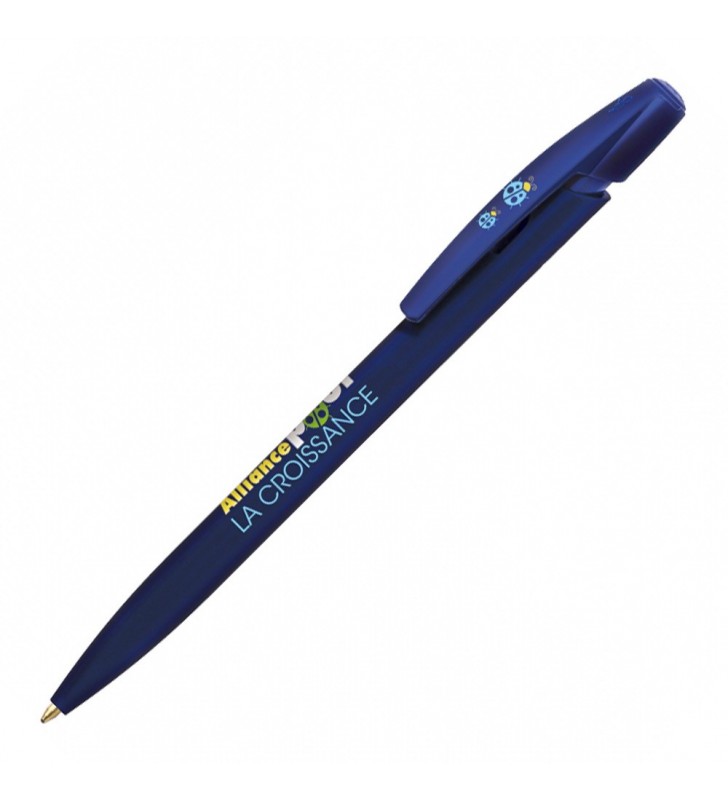
Media Clic Ballpoint
Price: €0.63The BIC Media Clic pen is the perfect retractable pen for anyone looking for... -
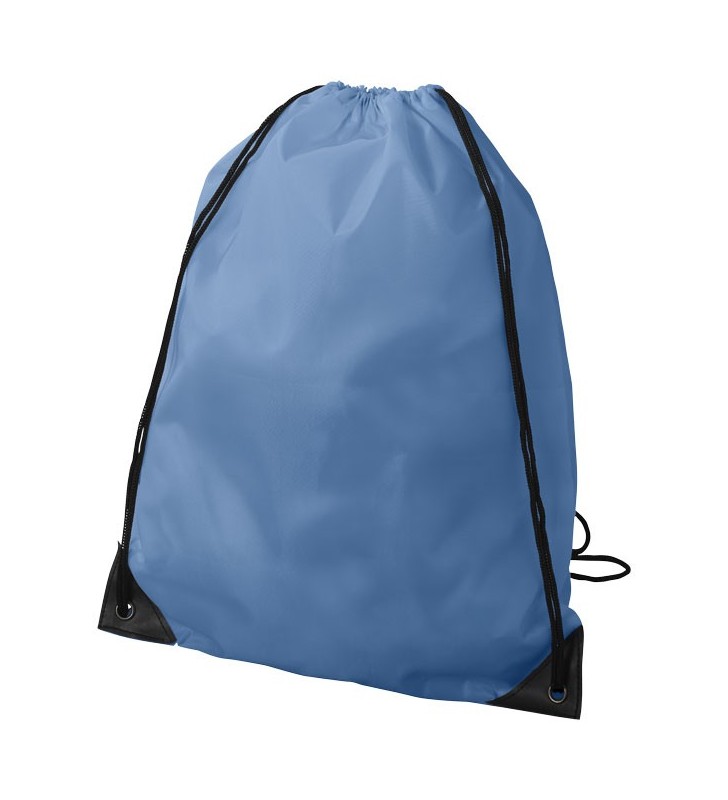
Oriole premium drawstring backpack 5L
Price: €1.33The Oriole backpack is easy to hand out as a gift to promote your brand or... -
Moleskine Cahier Journal PK - plain
Price: €8.24Features cardboard cover with rounded corners Visible stitching to spine with... -
Oregon 400 ml RCS certified single wall stainless steel water bottle with carabiner
Price: €3.72Always stay hydrated with this durable yet lightweight 400 ml water bottle...
Related posts
-
Screen printing: complete guide to the most versatile technique for customizing products
Screen printing is one of the oldest and most versatile printing techniques in the world, still widely used today for...Read more
-
Digital Printing: The Complete Guide to Personalizing Gadgets and Products
Digital printing is a modern technique that allows images, logos, and text to be reproduced directly onto a product...Read more
-
Screen Printing: The Ideal Solution for Personalizing Your Items
Screen print transfer is a printing technique that allows logos and graphics to be transferred onto fabrics and other...Read more
-
Laser engraving: the technology that transforms gadgets into unique experiences
In the world of customization, laser engraving has become synonymous with precision, elegance, and durability. More...Read more
-
Digital Transfer: The Revolution of Printing on Fabrics and Surfaces
In recent years, the world of fabric printing, clothing, and customized gadgets has undergone a true revolution...Read more