

Debossing: The printing technique that transforms your projects into tactile experiences
In the world of printing and graphic design, detail makes the difference. A technique that has gained great popularity in recent years for its elegance and sophistication is Debossing. This technique, often confused with embossing, offers a unique effect that enhances all types of printed materials, from business cards to luxury packaging. In this article, we will explore everything you need to know about Debossing, from the basic principles to practical applications, as well as the advantages and challenges of this technique.
What is Debossing?
Debossing is a printing technique that involves engraving or imprinting a design onto the surface of a material, creating a recessed effect. Unlike embossing, which raises the design from the surface, debossing creates a concavity, a “sunken” effect that can be felt by touch.
This technique is particularly suitable for materials such as paper, cardboard, leather, or fabrics, and is often used for logos, text, or decorative motifs that aim to convey elegance and refinement. The final result is a tactile and visual effect that adds perceived value to the product, making it memorable.
The History of Debossing
Debossing has ancient roots that date back to the early methods of relief printing and engraving. Originally, the technique was used to imprint coats of arms, seals, or trademarks on parchment and official documents. Over time, with the evolution of typography and commercial printing, debossing became an increasingly sophisticated creative tool, used both in publishing and luxury product packaging.
Today, thanks to technological innovation, debossing can be executed with digital precision, allowing for the creation of highly complex details on various materials, from thin sheets to thicker, more durable surfaces.
How Does Debossing Work?
The Debossing process involves several key steps:
-
Design creation: The design or text to be imprinted is created. This can be done using vector graphic software, such as Adobe Illustrator, to ensure precision and definition.
-
Die or mold creation: The design is engraved onto a metal plate or hard material that will serve as the mold. This mold has the inverse shape of the final design.
-
Pressing: The mold is pressed onto the chosen material (paper, cardboard, leather), permanently imprinting the design. The depth of the pressure determines the intensity of the debossing.
-
Finishing (optional): Debossing can be combined with other effects, such as gold foil, UV varnish, or screen printing, to enhance visual and tactile impact.
The result is an elegant and refined design that stands out not only visually but also to the touch, giving a sense of superior quality.
Types of Debossing
There are several variations of Debossing, allowing the technique to adapt to different materials and graphic styles:
-
Standard debossing: The most common, where the design is simply engraved into the surface of the material.
-
Debossing with foil: By combining debossing with hot stamping of metallic foil, a luxurious and shiny effect is achieved.
-
Debossing with UV varnish: The engraved design can be further enhanced with glossy or matte varnishes, creating texture contrasts.
-
Multi-level debossing: Allows for deeper and more complex effects, ideal for logos or artistic designs.
Each type of debossing can be customized according to the project, offering a wide range of creative possibilities.
Ideal Materials for Debossing
Debossing is extremely versatile, but not all materials are equally suitable. The most commonly used materials include:
-
Paper and cardboard: Perfect for business cards, invitations, packaging, and book covers.
-
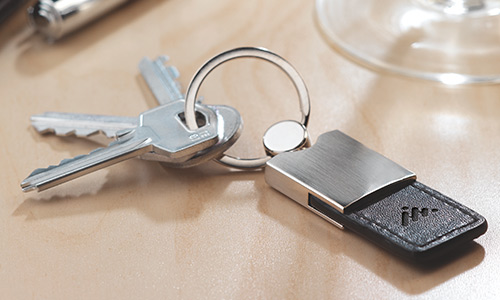
Leather and faux leather: Ideal for accessories, bags, planners, or luxury labels.
-
Fabrics: Mainly used for brand identity on clothing or textile products.
-
Plastic and PVC: For industrial or modern design applications.
The choice of material directly affects the final result: thicker materials allow for deeper debossing, while thinner materials require more precision and delicacy.
Advantages of Debossing
Debossing offers numerous benefits that make it a preferred choice for high-quality projects:
-
Elegance and sophistication: Debossing gives a sophisticated look, ideal for premium brands.
-
Tactile experience: The engraved design can be felt by touch, increasing interaction with the product.
-
Creative versatility: It can be combined with other effects, such as foil or varnishes, to achieve unique results.
-
Durability: Unlike some surface prints, debossing is permanent and wear-resistant.
-
Customization: Perfect for logos, text, or symbols that convey identity and style.
Difference Between Debossing and Embossing
Many confuse Debossing with Embossing, but there are fundamental differences:
-
Debossing: The design is engraved into the surface of the material, creating a concave effect.
-
Embossing: The design is raised above the surface, creating a convex effect.
The choice between the two techniques depends on the desired effect: debossing is more subtle and elegant, while embossing tends to have a stronger visual impact.
Applications of Debossing
Debossing is used in many sectors and products, including:
-
Branding and packaging: Logos and designs on luxury boxes, bottles, and labels.
-
Promotional materials: Business cards, brochures, and invitations.
-
Books and publications: Covers and titles with concave effects.
-
Fashion and accessories: Labels, bags, and leather wallets.
-
Customized products: Corporate gifts, planners, and design items.
Thanks to its ability to transform a common object into a luxury experience, debossing is increasingly requested by brands seeking to stand out.
Practical Tips for Achieving the Best Debossing
To achieve optimal results with Debossing, it is important to follow some guidelines:
-
Choose the right material: Check thickness and texture to ensure a clean engraving.
-
Design simple details: Lines that are too thin may not be visible or may disappear under pressure.
-
Test the mold: Before producing large quantities, test samples to evaluate depth and pressure.
-
Combine effects sparingly: Debossing with foil or varnish should be balanced to avoid overwhelming the design.
-
Pay attention to finishing: Cutting, trimming, and other processes must be coordinated with debossing to preserve the effect.
Debossing and Branding: Why It Works
Debossing is not just an aesthetic technique but a powerful branding tool. Thanks to the tactile effect, the product communicates quality and attention to detail, key elements for the positioning of a luxury brand. Studies in sensory marketing confirm that touch significantly influences perceived value, making debossing both a strategic and creative tool.
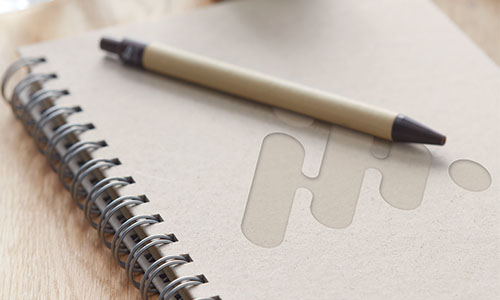
Advantages
- High-end 3D appearance and feel
- The imprint cannot be removed
Materials
- Leather
- Polyurethane (PU)
- Cardboard
Items
- Document folders
- Wallets
- Business card folders
- Notebooks
Good to Know
- Limited number of possible colors (no Pantone colors)
- Foil printing possible (the light shiny foil will be printed in the embossed area)
Conclusion
Debossing represents a versatile and refined printing technique capable of transforming a simple material into a memorable visual and tactile experience. Whether for packaging, business cards, or luxury products, debossing adds elegance, personality, and perceived value. For designers, brands, and graphic enthusiasts, knowing and using debossing means having a creative tool that can make a real difference.
If you want to make your projects unique and sophisticated, Debossing is the key to leaving a lasting impression.
Want to learn more or request a personalized quote?
Contact us now: our team will guide you in choosing the best solution for your needs.
Posted in:
Personalization techniques
Related posts
-
Pad Printing: A Precision Printing Technique for Every Product
Pad printing is one of the most versatile and widespread printing techniques in the world of product customization....Read more
-
Screen printing: complete guide to the most versatile technique for customizing products
Screen printing is one of the oldest and most versatile printing techniques in the world, still widely used today for...Read more
-
Digital Printing: The Complete Guide to Personalizing Gadgets and Products
Digital printing is a modern technique that allows images, logos, and text to be reproduced directly onto a product...Read more
-
Screen Printing: The Ideal Solution for Personalizing Your Items
Screen print transfer is a printing technique that allows logos and graphics to be transferred onto fabrics and other...Read more
-
Laser engraving: the technology that transforms gadgets into unique experiences
In the world of customization, laser engraving has become synonymous with precision, elegance, and durability. More...Read more